March Is National Nutrition Month
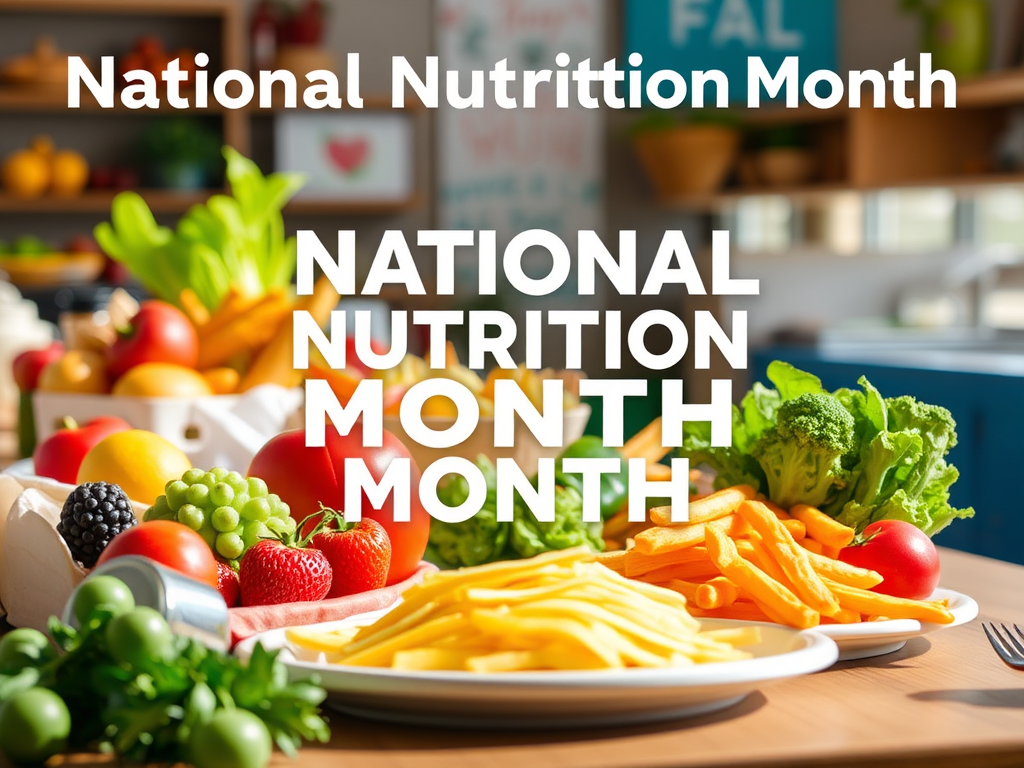
10 Simple Ways to Improve Your Diet This National Nutrition Month
March is National Nutrition Month, making it the perfect time to focus on healthier eating habits. Whether you’re looking to enhance your diet or just make a few small changes, here are ten simple ways to improve your nutrition:
- Eat More Whole Foods – Focus on fresh fruits, vegetables, lean proteins, whole grains, and healthy fats instead of processed foods.
- Stay Hydrated – Drinking enough water is essential for digestion, metabolism, and overall well-being.
- Control Portion Sizes – Using smaller plates and being mindful of serving sizes can help prevent overeating.
- Increase Fiber Intake – Foods high in fiber, such as beans, whole grains, and vegetables, support digestion and help with weight management.
- Reduce Added Sugars – Limit sugary drinks and snacks, and opt for natural sweeteners like honey or fruit when possible.
- Plan Your Meals – Preparing meals in advance can help you make healthier choices and avoid fast food.
- Include Protein in Every Meal – Lean proteins like fish, chicken, beans, and tofu help keep you full longer and support muscle growth.
- Cook at Home More Often – Preparing meals at home allows you to control ingredients and make healthier choices.
- Eat Mindfully – Slow down, enjoy your meals, and listen to your hunger cues to avoid overeating.
- Read Food Labels – Understanding ingredient lists and nutritional information can help you make better choices at the grocery store.
By making small, consistent changes, you can build sustainable habits that improve your overall health.
How to Build Healthy Eating Habits That Last
Creating long-term healthy eating habits doesn’t have to be overwhelming. Here are some practical strategies to help you make lasting changes:
- Start Small – Rather than overhauling your entire diet, begin with one or two manageable changes.
- Set Realistic Goals – Focus on achievable goals like drinking more water, eating an extra serving of vegetables, or reducing processed foods.
- Make a Meal Plan – Planning meals in advance helps you stay on track and avoid unhealthy choices.
- Practice Moderation – Enjoy treats in moderation rather than completely restricting certain foods, which can lead to cravings and binge eating.
- Listen to Your Body – Learn to recognize hunger and fullness cues instead of eating out of boredom or stress.
- Stay Consistent – Healthy eating is about progress, not perfection. Keep making small improvements over time.
- Surround Yourself with Healthy Options – Stock your kitchen with nutritious foods so that healthy choices are always accessible.
- Find Healthy Substitutes – Swap out unhealthy ingredients for healthier alternatives, such as whole grains instead of refined grains.
- Stay Active – Physical activity can support healthy eating habits by regulating appetite and boosting metabolism.
- Seek Support – Share your goals with friends, family, or a nutritionist for motivation and accountability.
By gradually incorporating these habits into your daily life, you can build a sustainable and healthy relationship with food.
Debunking Common Nutrition Myths
Misinformation about nutrition is widespread, making it hard to separate fact from fiction. Here are some common myths and the truth behind them:
- Myth: Carbs Are Bad for You – Fact: Not all carbs are created equal. Whole grains, fruits, and vegetables provide essential nutrients and energy.
- Myth: Eating Fat Makes You Fat – Fact: Healthy fats (like those in avocados, nuts, and olive oil) are essential for brain function and heart health.
- Myth: You Need to Detox Your Body – Fact: Your liver and kidneys naturally detox your body. Extreme detox diets are unnecessary and can be harmful.
- Myth: Skipping Meals Helps with Weight Loss – Fact: Skipping meals can slow metabolism and lead to overeating later.
- Myth: Fresh Produce Is Always Better Than Frozen – Fact: Frozen fruits and vegetables can be just as nutritious as fresh, and they last longer.
- Myth: High-Protein Diets Damage Kidneys – Fact: For most people, high-protein diets are safe and beneficial, unless there’s a preexisting kidney condition.
- Myth: You Should Avoid Gluten at All Costs – Fact: Unless you have celiac disease or a gluten sensitivity, there is no need to eliminate gluten.
- Myth: Eating Late at Night Causes Weight Gain – Fact: It’s not the timing but the overall calorie intake that affects weight gain.
- Myth: Organic Food Is Always Healthier – Fact: While organic food avoids pesticides, it isn’t necessarily more nutritious than conventional produce.
- Myth: Diet Soda Is a Healthy Alternative to Regular Soda – Fact: Diet sodas contain artificial sweeteners, which may have negative health effects over time.
Understanding the truth behind nutrition myths can help you make better-informed choices for a healthier lifestyle.
This National Nutrition Month, take the opportunity to implement healthier habits, plan balanced meals, and separate fact from fiction when it comes to your diet!
 Health, Body, Mind & Spirit